A Restored Medieval Gem
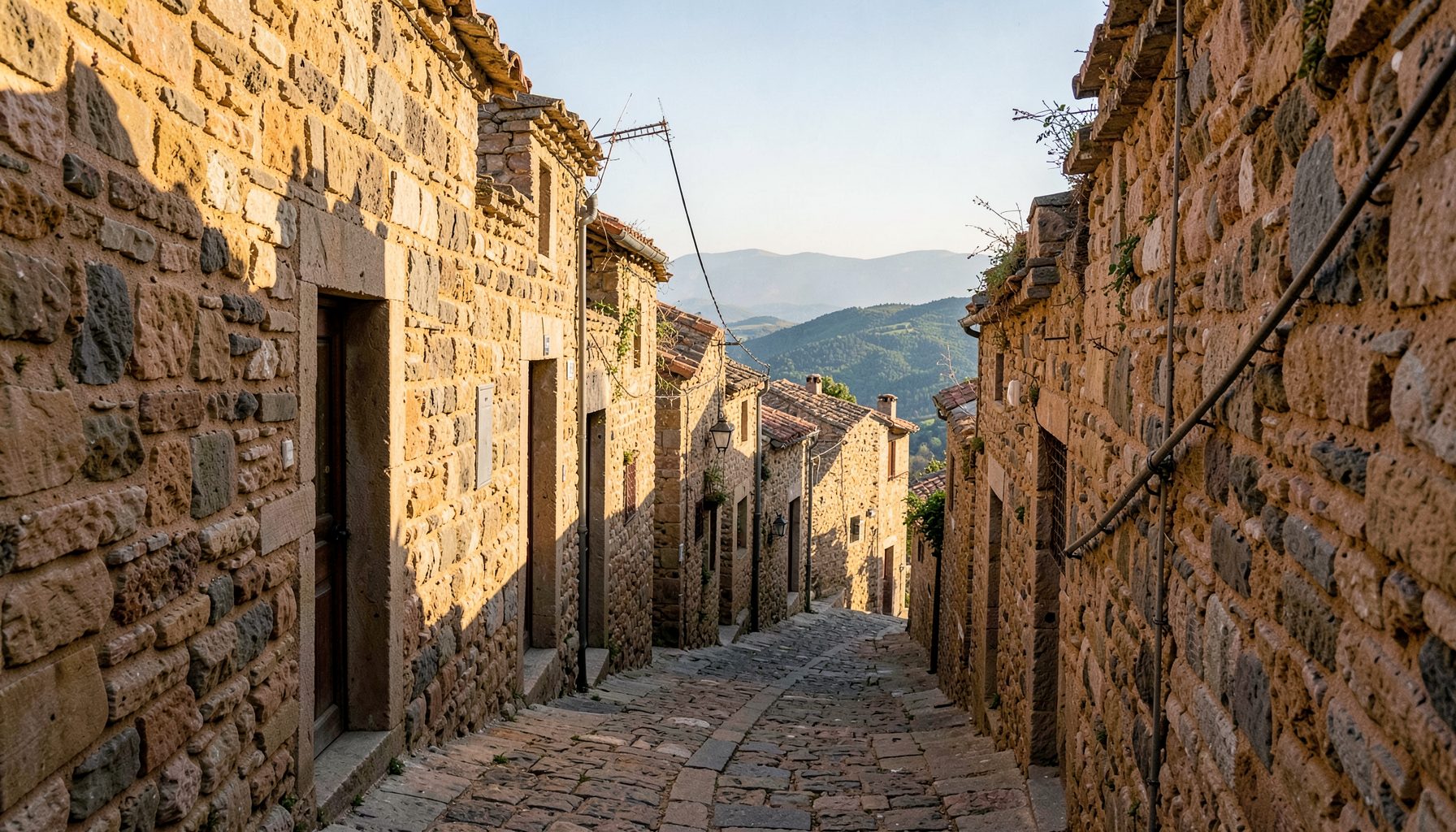
Labro's historic centre unfolds in a distinctive fan-shaped layout, its narrow stone streets winding between ancient houses and noble residences. The entire core was sensitively restored by the Belgian architect Ivan Van Mossevelde, who preserved the village's medieval character while making it welcoming for residents and visitors alike.
From its elevated position, the historic centre commands panoramic views that stretch across the Fuscello valley to the shimmering waters of Lake Piediluco, with the snow-capped peaks of the Terminillo mountain chain rising behind. On clear days the gaze follows the road towards Leonessa, Cascia, and Norcia.
Architecture & Atmosphere
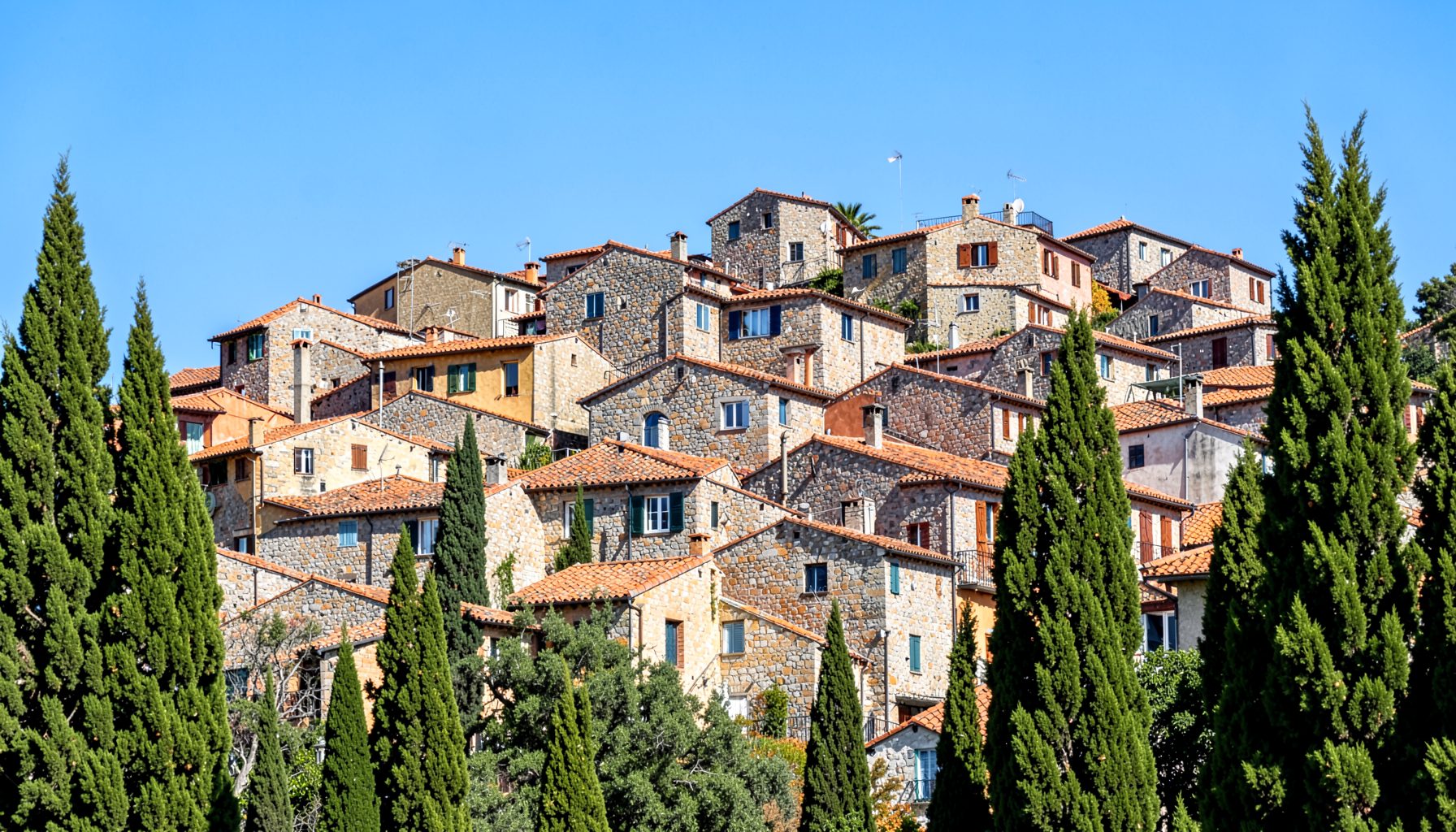
The historic centre is a tapestry of stone-built houses, arched passageways, and small piazzas that open unexpectedly onto far-reaching vistas. Among its landmarks are the Castello Nobili Vitelleschi, the fortified palace that anchors the village skyline, and the Torrione area with its distinctive tower. A small theatre and the former Franciscan convent add further layers to Labro's architectural heritage.
Festival Valentiniano 1995
In 1995, Labro's historic centre provided the stage for the Festival Valentiniano, a cultural event dedicated to music, architecture, and design. The festival drew attention to the village's unique blend of medieval fabric and thoughtful contemporary restoration, reinforcing Labro's reputation as a place where heritage and creativity meet.
A village where every stone tells a story — from the fan-shaped medieval plan to the careful restoration that brought Labro back to life.
Explore Further
The historic centre is the heart of Labro, but the story continues beyond its stone walls. Discover the Castello Nobili Vitelleschi, delve into the village's history and art, or explore the wider municipal territory with its hamlets and medieval itineraries.
Walking through the historic centre of Labro is like stepping into a living medieval document, where every stone lane and restored facade tells a story of careful preservation. The fan-shaped layout, unusual among the hilltop borghi of the Rieti region, guides visitors naturally from one intimate piazza to the next, each opening onto yet another sweeping vista of the surrounding Umbrian and Lazio countryside. The restoration work has been carried out with remarkable restraint, keeping original materials and architectural details intact while discreetly introducing modern comforts. This quiet commitment to authenticity has made Labro a cherished destination for those seeking the genuine atmosphere of an Italian hilltop village, far removed from the commercial bustle of larger tourist centres, yet entirely welcoming to those who come to linger and explore.